

Why Korean Skin Care Hydro Facials Are the New Way to Hydrate Your Skin
Dry, tight, dull skin has a way of showing up even when a moisturizer is sitting right there on the shelf. For many people, the issue is not a lack of products. It is that the skin is not holding hydration well, or the surface has buildup that keeps nourishing ingredients from doing their best work.
That is where hydro facials have earned their popularity. They combine cleansing, exfoliation, extraction, and infusion in one treatment, often with a focus on leaving the skin plump and fresh instead of stripped.
Now imagine that same water-based facial through a Korean skin care lens. The result is a treatment that focuses less on harsh resurfacing and more on deep hydration, barrier support, glow, and calm. A Korean skin care hydro facial takes the appeal of a traditional hydro facial and adds the philosophy that made K-beauty famous: gentle layers, moisture balance, and long-term skin comfort.
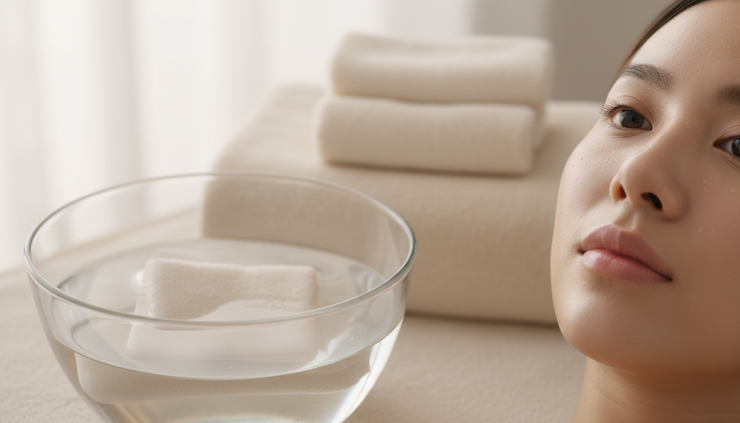
Hydro facials changed the way people think about hydration
A classic facial often focuses on cleansing, massage, masks, and extractions. Those can be useful, but they do not always address dehydration in a direct way. A hydro facial is different because it uses water-based exfoliation and serum infusion during the treatment.
That matters because dehydrated skin can affect almost every skin type.
Oily skin can still feel tight. Combination skin can look shiny in some areas and flaky in others. Mature skin may show more visible fine lines when the surface lacks water. Sensitive skin can feel uncomfortable when its moisture barrier is stressed.
A hydro facial usually works in a few key stages:
Gentle cleansing to remove surface debris
Light exfoliation to loosen dead skin cells
Pore cleansing or extraction using suction
Serum infusion to deliver hydrating ingredients
Finishing products to seal in comfort
The biggest shift is that hydration happens while the skin is being treated. It is not saved for the last step.
That is why these facials often feel satisfying right away. Skin can look smoother because the surface is clean. It can feel softer because water-binding ingredients have been added. Makeup may sit better because rough patches are less obvious.
A hydro facial is not a cure for acne, rosacea, eczema, or deeper wrinkles. It also does not replace medical advice. Skin treatments should be matched to personal skin needs, and anyone with an active skin condition should check with a dermatologist or licensed skin professional first.
Still, for routine dullness, congestion, and dehydration, the format makes sense. It gives skin a reset without the heavy downtime associated with stronger treatments.
Korean skin care adds the missing softness
Korean skin care became popular for good reason. At its best, it treats hydrated skin as the foundation of healthy-looking skin. Instead of chasing a harsh squeaky-clean feeling, it focuses on keeping the barrier comfortable and balanced.
That approach fits perfectly with hydro facials.
A Korean-inspired treatment is usually more thoughtful about layering. It may include watery essences, calming ampoules, gel masks, lightweight creams, and sun protection guidance. The goal is not only to make skin look radiant for a day. The goal is to help skin feel supported after the glow fades.
This is where the Korean hydro facial idea becomes exciting. It brings together two strengths:
Hydro facial technology
Korean skin care philosophy
Cleanses, exfoliates, and infuses hydration in one appointment
Focuses on barrier care, gentle layering, and a smooth, healthy-looking glow
The best version does not overload the skin. It uses the right ingredients at the right time.
Hydrating ingredients may include humectants such as hyaluronic acid or glycerin. Calming products may include centella asiatica, green tea, allantoin, or panthenol. Barrier-supporting steps may include ceramides or lightweight moisturizers that help reduce water loss from the skin’s surface.
These ingredients are common in many Korean skin care products because they suit a layered routine. They do not need to feel heavy to be effective. They can be light, watery, and comfortable, which is part of the appeal.

What makes a Korean skin care hydro facial different
A regular hydro facial and a Korean-inspired hydro facial may look similar from the outside. The difference often shows up in the details.
The pace tends to be gentler. The ingredient choices tend to favor hydration and soothing care. The finish is usually less about looking polished and more about looking fresh, rested, and bouncy.
A Korean Skin Care Hydro Facial may include steps like these.
The cleanse feels soft instead of stripping
Korean routines often start with a careful cleanse. In a treatment setting, that could mean removing sunscreen, makeup, oil, and pollution without leaving the skin tight.
A good cleanse prepares the skin for the rest of the facial. If the skin is irritated from the start, even gentle exfoliation can feel like too much. A soft cleanse helps keep the treatment comfortable.
The exfoliation respects the skin barrier
Exfoliation is useful because dead skin cells can make the skin look dull and rough. They can also make hydrating products sit on top instead of spreading smoothly.
The Korean skin care approach avoids the idea that stronger is always better. Instead, it favors controlled exfoliation. The goal is a clean, smooth surface, not a raw or shiny one.
For people who already use retinoids, exfoliating acids, or acne treatments at home, this matters. Too much exfoliation can weaken the barrier and make the skin sting. A well-planned facial should account for what the skin is already experiencing.
The infusion step is the star
This is the part many people love most. After cleansing and exfoliation, the skin is ready for hydrating serums.
The infusion step may use water-loving ingredients designed to make the skin feel plump. Hyaluronic acid is a common example because it helps attract water. Glycerin is another trusted humectant found in many effective moisturizers and serums.
Korean-inspired treatments may also bring in soothing elements. Centella asiatica, often called cica, is widely used in K-beauty products for comfort-focused skin care. Panthenol and allantoin are also common in barrier-friendly formulas.
The feeling after this step should be comfortable. Skin may feel juicy, smooth, and refreshed, not tight.
The finish seals in the glow
Hydration needs a finishing layer. Without it, water can evaporate from the skin’s surface, especially in dry air or after cleansing.
A Korean-style finish may include a gel cream, soothing cream, sleeping-mask-inspired layer, or sunscreen if the treatment happens during the day. This final step helps the skin hold onto the benefits of the facial.
It also reflects a key K-beauty idea: glowing skin is built in layers.
Why hydration is about more than looking glowy
The glow gets attention, but hydration is not only cosmetic. When the skin is well hydrated, the surface often looks smoother and feels more flexible. Fine lines caused by dryness may appear less obvious. Flakiness may soften. Makeup can look more even.
Hydrated skin can also feel calmer. A stressed moisture barrier often shows up as tightness, stinging, roughness, or redness. While a facial cannot solve every cause of irritation, a gentle hydration-focused treatment may help the skin feel more comfortable.
That is why Korean skin care pairs so well with hydro facial methods. It treats water, moisture, and barrier support as connected.
Think of it this way:
Water-based ingredients help hydrate.
Moisturizing ingredients help soften.
Barrier-supporting ingredients help reduce water loss.
Gentle exfoliation helps the surface look smooth.
Calm skin reflects light better, which adds to the glow.
This is also why the “glass skin” look is not only about shine. True glow comes from smooth texture, even hydration, and a healthy-looking surface. If the skin is irritated or over-exfoliated, shine can look greasy or stressed. If the skin is supported, glow looks softer and more natural.

Who may love this treatment most
A Korean-inspired hydro facial can appeal to many skin types, but it is especially attractive for people who want visible freshness without a harsh treatment plan.
It may be a good fit for skin that feels:
Dehydrated or tight
Dull or rough
Congested but sensitive to aggressive extractions
Uneven in texture
Tired from travel, weather changes, or stress
Dry on the surface but oily in the T-zone
It can also work well before an event when the goal is smooth, hydrated skin. Since many hydro facials have little to no downtime, people often like them when they want a refreshed look without peeling or obvious redness. That said, every skin reacts differently. Some mild pinkness can happen, especially after exfoliation or suction.
People with very sensitive skin should ask about pressure, exfoliation strength, and serum ingredients before starting. Anyone with active rashes, open cuts, severe acne inflammation, sunburn, or recent cosmetic procedures should get personalized guidance first.
A good provider will not rush that conversation. They should ask what products are being used at home, especially retinoids, exfoliating acids, prescription acne products, or recent peels. The safest facial is the one that fits the current state of the skin.
How to make the glow last after the facial
The aftercare matters as much as the appointment. Skin often feels smooth after a hydro facial, but that does not mean it needs more exfoliation right away. In fact, the best move is usually to keep the home routine simple for a short time.
For the next day or two, focus on barrier-friendly basics:
Use a gentle cleanser.
Apply a hydrating serum or essence.
Follow with a moisturizer.
Wear broad-spectrum sunscreen during the day.
Skip strong exfoliating acids unless a professional says otherwise.
Avoid scrubbing or picking at the skin.
This is where Korean skin care habits can help. A light essence, calming serum, and comfortable moisturizer can extend that hydrated feeling without overwhelming the skin.
The goal is to support what the facial started. If the treatment cleared the surface and infused hydration, home care should protect that fresh skin. Heavy scrubs, strong acids, and too many new products can undo the calm effect.
Sunscreen also matters. Exfoliated skin can be more sensitive to sun exposure. A daily broad-spectrum sunscreen helps protect the skin and supports a more even-looking tone over time.
What to look for in a great Korean-inspired hydro facial
Not every facial with Korean products is automatically thoughtful. The technique, ingredient choices, and customization matter.
Look for a treatment that includes a skin check before the facial begins. The provider should ask about sensitivity, breakouts, medications, recent treatments, allergies, and your current routine.
The best experience should feel tailored, not one-size-fits-all.
A strong treatment plan may include:
A gentle double-cleanse approach when needed
Mild exfoliation matched to skin tolerance
Careful suction instead of aggressive pulling
Hydrating serums chosen for the skin type
Calming ingredients for redness-prone or reactive skin
A moisturizer that suits the season and skin needs
Sunscreen if leaving during daylight hours
The provider should also explain what to avoid afterward. Clear aftercare is a sign that the treatment is focused on skin health, not just a short-lived glow.
A Korean-inspired hydro facial should never feel like punishment for the skin. If the treatment burns, feels painfully tight, or leaves the skin angry for days, that is not the soft hydration-focused result people are looking for.
Comfort matters. Glow should not come at the cost of a compromised barrier.

The future of hydrated skin looks gentler
The reason hydro facials feel so current is simple. People want results, but they also want comfort. They want skin that feels clean without feeling stripped. They want glow without days of recovery. They want hydration that looks fresh, not heavy.
Korean skin care makes that idea even stronger. It brings patience, layering, and barrier care into a treatment that already centers water and serum infusion.
That combination is why this facial style makes so much sense. It is not just about a shiny finish after one appointment. It is about helping the skin look smoother, feel softer, and hold moisture better with a gentler approach.
The best takeaway is simple: if the skin feels dull, tight, or thirsty, hydration should not be treated like the final step. It should be built into the whole experience, from the cleanse to the final layer of moisturizer.
A Korean-inspired hydro facial does exactly that. It turns hydration into the main event, and skin tends to look better when moisture is treated as essential.


Comments